

ATP Development Program
A competency-based learning path designed to build confident future ATPs.
Interested in becoming an ATP with Numotion but lack the required certification?

Can achieve certification in as little as 12 weeks
Meaningful client facing work and complex technology equipment exposure
Milestones and coaching that guide skilled progression
Who this program is for
Best-fit backgrounds:
- OT, PT, PTA, or COTA
You’ll do well if you:
- Enjoy hands-on evaluation and problem solving
- Communicate confidently with clients and caregivers
- Want a structured development path into a specialized clinical career
What you will do
This role offers meaningful client facing work and a wide range of day-to-day experiences.
- Clinic days, client assessments in multiple environments, home visits, fittings, and follow ups
- Exposure to all types of equipment including both manual and power mobility
- Collaboration with seating and mobility clinics, neuro rehab, outpatient rehab, and pediatric therapy centers
How the program works
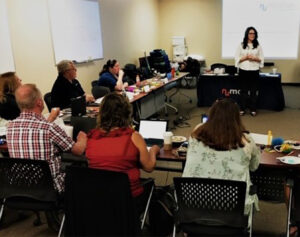
Onboarding + Curriculum
Structured learning and activities from day one
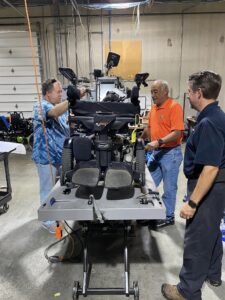
Shadowing+ Mentorship
Working alongside team members, learning with experienced ATPs
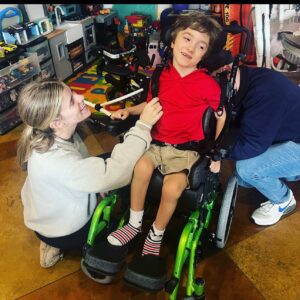
Hands-on experiential learning
Structured learning with real-world practice

Feedback + progression
Milestone scorecards, and coaching
Skills and clinical experience you will gain
- Working with clients with neurological conditions
- Needs assessment for a wide variety of Complex Rehabilitation Technology
- Complex equipment adjustment and modifications
- Business development and territory management in CRT
Support, tools, and resources
- Demo equipment
- Efficient documentation platforms
- Administrative support to streamline workflows
- Remote Mentorship
Compensation and progression
- Transparent pay structure from training through certification
- Once certified: eligible to generate uncapped commission
- Mileage reimbursement or travel support depending on region
- Full benefits including medical, retirement, and PTO
Frequently Asked Questions
Who is a good fit for the ATP role?
The ATP role is a strong fit for clinicians who want to specialize in Complex Rehab Technology and enjoy hands-on evaluation and problem solving. Many successful candidates come from OT/PT backgrounds and PTA/COTA roles, Rehab Tech roles, or other patient-facing rehab settings. You will do well if you communicate clearly with patients and caregivers, can manage multiple priorities, and want a structured developmental path with mentorship, milestones, and real clinical exposure.
What does a typical week include?
A typical week blends clinical and field-based work, such as:
- Participating in client seating and mobility evaluations in a variety of settings
- Home visits, follow-ups, and equipment adjustments
- Coordinating with referral sources and care teams including therapists, providers, and caregivers
- Completing documentation and case follow-through to support client care and equipment delivery
- Working in partnership with our sales and marketing team to educate referral sources about Numotion via in-services and continuing education offerings
The exact mix varies by market and territory, but the program is designed to steadily increase hands-on exposure and responsibility.
How is performance measured?
Performance is measured through clear milestones and ongoing coaching, including:
- Progress against a defined development plan with skills and competency milestones
- Quality of critical thinking and recommendations from client needs to equipment solutions
- Documentation accuracy and completeness
- Communication and professionalism with patients, caregivers, and referral partners
- Reliability in follow-through, time management, and case coordination
- Success in building relationships with new referral sources
You will have regular check-ins and milestone scorecards so expectations stay clear.
How do you define how long someone is in the program?
Time in the program is based on readiness and milestone completion, not a one-size-fits-all timeline. You progress as you demonstrate competency in client evaluation, equipment knowledge, documentation quality, and case management. In some markets, you may begin contributing meaningfully in as little as 12 weeks, while development support continues as you connect clinical assessment with product recommendation.
What happens after certification?
Once you become certified, you transition into the ATP role with increased responsibility in evaluations and equipment recommendations. Your compensation also shifts to include the ability to generate commission. Commission is uncapped, so earnings scale with performance and volume over time.
What type of travel should I expect?
You should expect travel within a defined territory. This typically includes driving to clinics, home visits, and partner locations for evaluations, fittings, and follow-ups as well as for sales and marketing appointments. The amount of travel depends on the territory size and market needs, but the expectation is consistent field coverage within the territory.
What tools and support will I have?
You will be supported with the resources needed to do the work well, including:
- Dedicated mentors and an expansive network of experienced ATPs and clinical partners for guidance and collaboration
- Access to demo equipment
- Documentation platforms and systems to support efficient workflows
- Administrative support to help streamline coordination and case details
I’m an OT/PT (or PTA/COTA). How does my clinical background translate to ATP work?
Your clinical background is a major advantage. ATP work builds directly on skills you already use, including assessing function, posture, tone, strength, range of motion, skin integrity risk, and daily mobility needs. In this program, you will apply your critical thinking skills to:
- Collaborate with clients, caregivers, providers, and referral partners to support long-term success
- Translate client goals into appropriate seating and mobility solutions
- Participate in equipment trials, fittings, and follow-ups
- Align equipment recommendations with clinical outcomes