

Customer Advocacy Board
Our Numotion Customer Advocacy Board members provide valuable insight and words of wisdom helpful to both those newly injured or diagnosed and those who have been living with a disability long-term.
Customer Advocacy Board
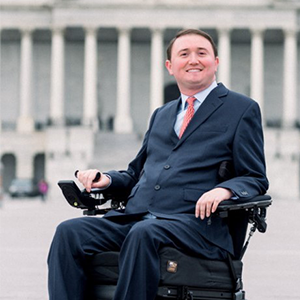
Josh Basile
Customer Advocacy Board
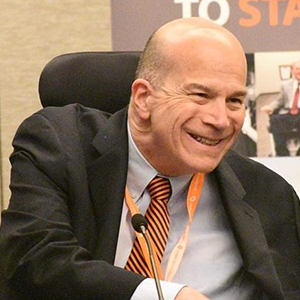
Kent Keyser
Customer Advocacy Board
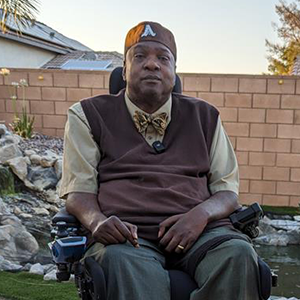
Paul Amadeus Lane
Customer Advocacy Board
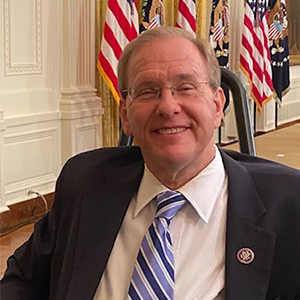
Jim Langevin
Customer Advocacy Board
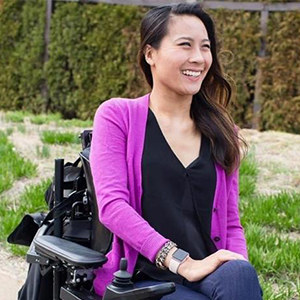
Michele Lee
Customer Advocacy Board
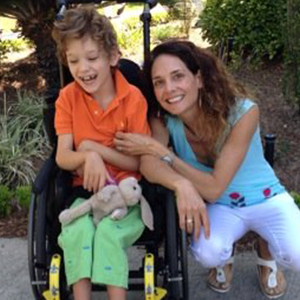
Jennifer Lyman
Customer Advocacy Board
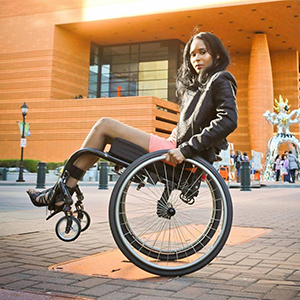
Tae McKenzie
Customer Advocacy Board
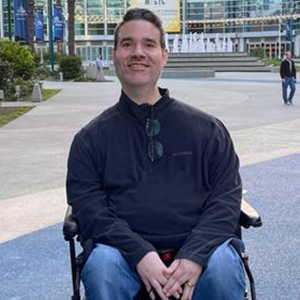
Vance Taylor
Customer Advocacy Board
Want to see more?
Full roster of past CAB members
April Ballentine
Jenny Border
Cindy Borths
Joe Calvert
Prentice Cox
Patty Gilham
Lisa McGaha
Kyle Pease
Mario Pinete
Lonnie Price
Kristi Roher
Tyler Schrenk
Morgan Waite
Beyond the Chair: Living With a Disability
Joy Is Still Part of the Story: Michele’s Story
One thing I wish more people understood about living with a disability is how much joy, love, and connection exist within the disability community. Too often, conversations about disability focus only on barriers and challenges, and the joy can get lost. Discussions about disability frequently center on what has been lost or what may be difficult. Those realities are part of the experience, but they are not the whole story. There is also a great deal of happiness, gratitude, and connection that grows within the disability community.
What It Takes to Get There: Paul’s Story
One thing I wish more people understood about living with a disability is how complicated travel can be. Even something as simple as going somewhere overnight can require a lot of preparation. For many people, packing for a trip might mean tossing a few things into a backpack or small suitcase and heading out the door. Sometimes, I miss those days. Now, when I travel—even just for a night—it often means bringing multiple bags. There are supplies, medical equipment, batteries, a sleep machine, clothes, and even items I need to keep up with daily exercise or routines. Each piece serves a purpose, and leaving something behind usually isn’t an option.
A Different Life, The Same Person: Josh’s Story
One thing I wish more people understood about living with a disability is that a disability does not change who you are at your core.After a catastrophic injury or diagnosis, life may look very different, but you are still you. You still have the same heart. You still have the same personality, the same dreams, the same humor, and the same desire to love, contribute, and live a meaningful life. I think sometimes people without disabilities may see paralysis or another major disability and assume the person’s life has been defined only by loss. They may wonder how someone could still live a full life after such a dramatic change. But the truth is, while life can absolutely become more complex, it can still be beautiful, purposeful, and full.
Access Shouldn’t Be Uncertain: Tae’s Story
One thing I wish more people understood about living with a disability is that planning ahead does not mean we are being demanding. It simply means we are trying to make sure the basic things needed to participate are actually available. When I travel or go somewhere new, there is often a great deal of preparation involved. That preparation might include reserving an accessible vehicle, confirming entrances and pathways, or asking questions in advance to make sure a space can truly accommodate me. Most people never see that preparation. They only see the moment when someone asks for an accommodation and may assume the person has an attitude or is being difficult.
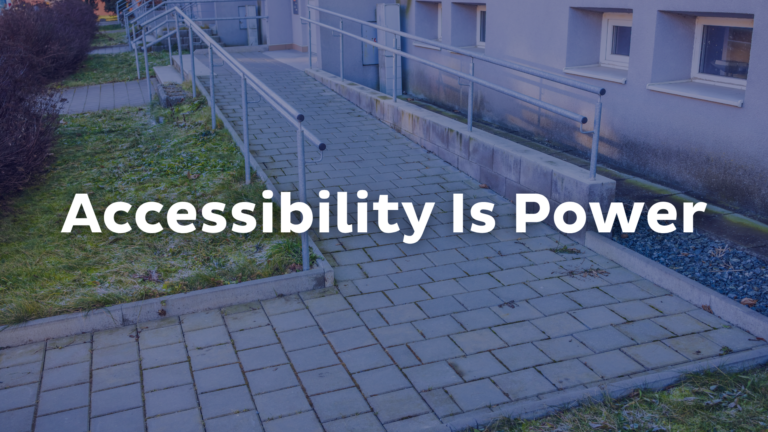
Accessibility Is Power: Vance’s Story
One thing I wish more people understood about disability is that it’s part of the human experience. Disability touches people at birth, through illness or injury, or simply through the natural process of aging. It’s not a bug. It’s a feature. The sooner we understand that, the sooner we can invest in strategies to remove the systemic barriers that limit people with disabilities from contributing in meaningful ways. Not just economically, but in ways that provide purpose, satisfaction, and a sense of belonging. The ability to contribute is the ability to feel like you matter.
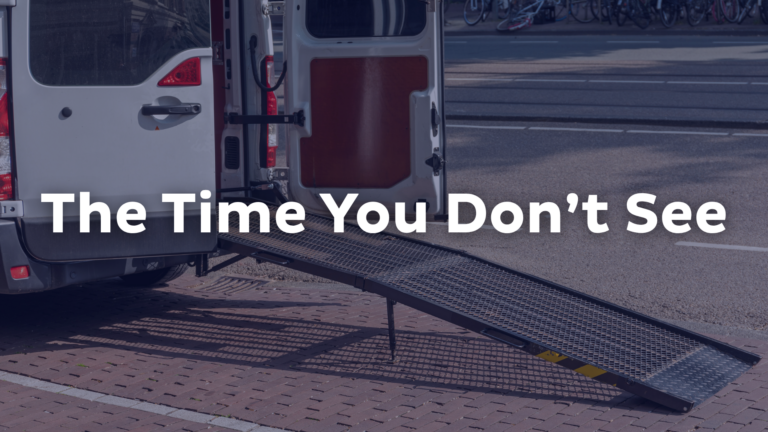
The Time You Don’t See: Justin’s Story
In August of 2026, I will have officially lived over half of my life with a disability. I was injured just before my 23rd birthday and turning 46 this year, and it is difficult to recall what life was like prior to my spinal cord injury. That said, I do vaguely remember setting alarms 30 minutes in advance of leaving the house, including the time needed to shower, get dressed, and even grab a quick bite to eat. I would sometimes wake up in the morning and on a whim, decide to take a day trip to the beach. I remember meeting friends of family for dinner without googling the restaurant to confirm that it would be accessible. I somewhat recall quickly booking a hotel room online without checking five or six times just to be absolutely sure that I checked the right accessibility boxes followed by packing for a three-day trip in ten minutes. My free time? Abundant and amazing.
Proud Advocacy Moments
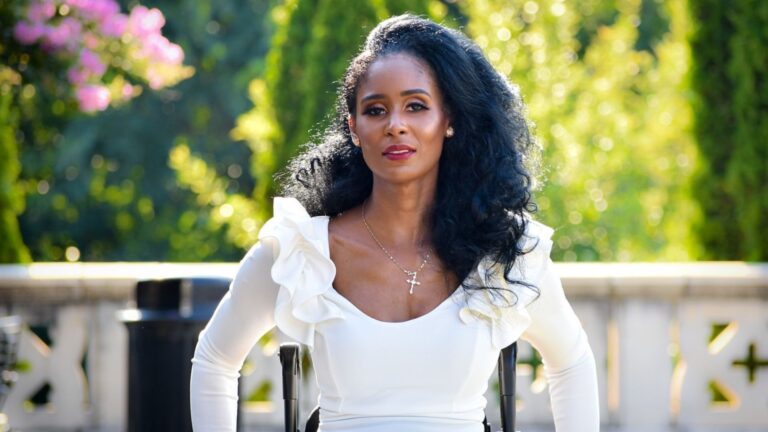
Tae’s Advocacy Story
One of the most impactful acts of advocacy I’ve been involved in—and the one that continues to stand out—was running as the first disabled candidate for mayor of Charlotte, NC. That moment wasn’t just about politics; it was about visibility, representation, and breaking barriers for people with disabilities, especially in leadership roles where we are often overlooked or underestimated.
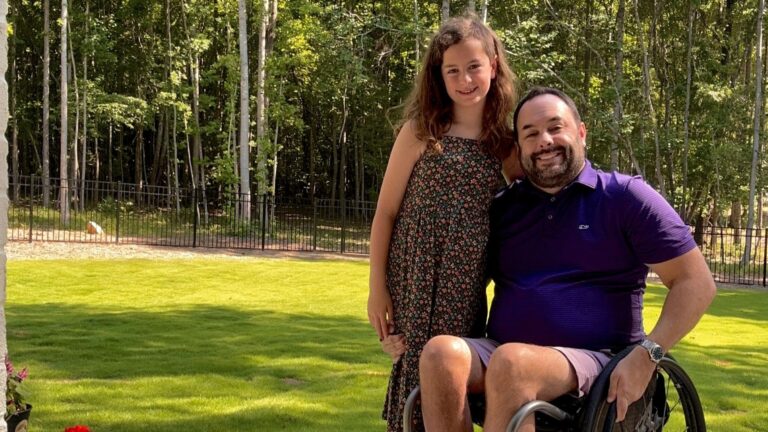
Justin’s Advocacy Story
One of my most proud moments of advocacy occurred while a senior at NC State University, where I fought to change the accessible student ticketing policies and parking arrangements for football and basketball.
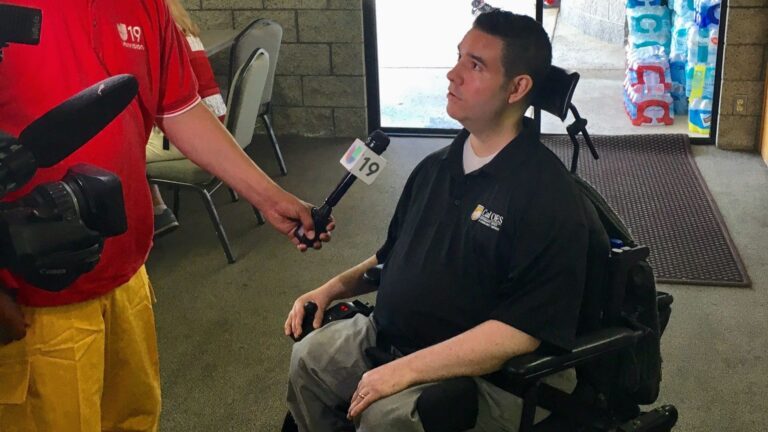
Vance’s Advocacy Story
When I think about my work, one of the things I’m most proud of is the cultural shift we’ve created within emergency management. For too long, the needs of people with disabilities weren’t fully understood, identified, or integrated into disaster planning.
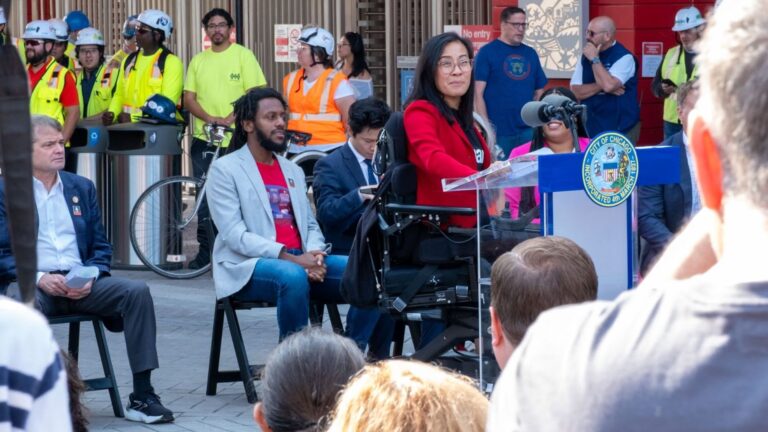
Michele’s Advocacy Story
Sometimes advocacy feels like a marathon. The days are long, and the process can be slow. But every now and then, a project comes to life that reminds me why I put in the work.
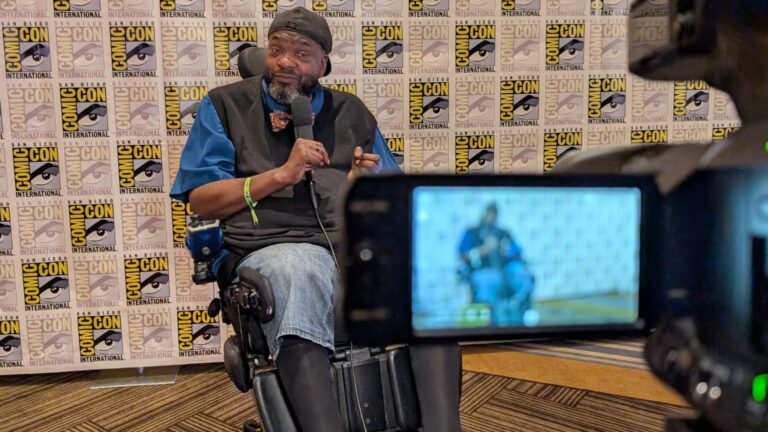
Paul’s Advocacy Story
I didn’t set out to be an advocate at all. It wasn’t anything I ever thought about or wanted to do. I was kind of reserved and didn’t really want to talk about my disability that much.
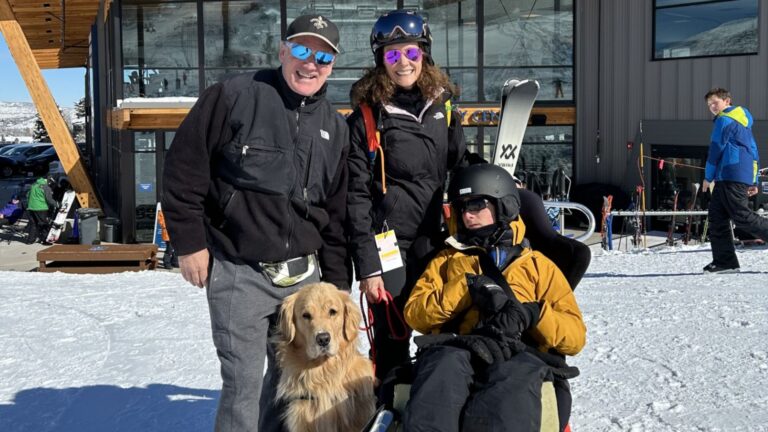
Jen’s Advocacy Story
I’ve done quite a bit of advocacy on behalf of those with disabilities, like my son, over the years, both statewide and nationally and primarily with large advocacy organizations for the purpose of legislative change. My favorite experience advocating, however, was on our own, just my son and me, in New Orleans when the city was building a new airport.
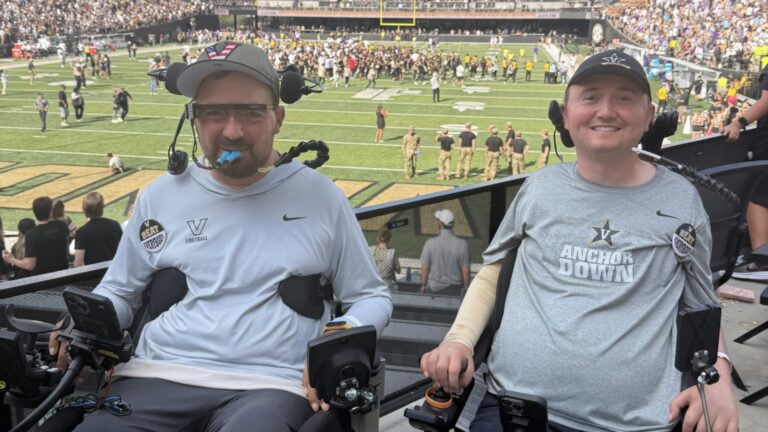
Josh’s Advocacy Story
The Domino Effect: Changing Lives, Changing Policies Josh’s Story Two families. Two states. One problem worth changing. In Rhode Island and Tennessee, families reached out with the same heartbreaking dilemma: a loved one with a disability wanted to build a career and share a life with the person they love, yet doing either risked losing…
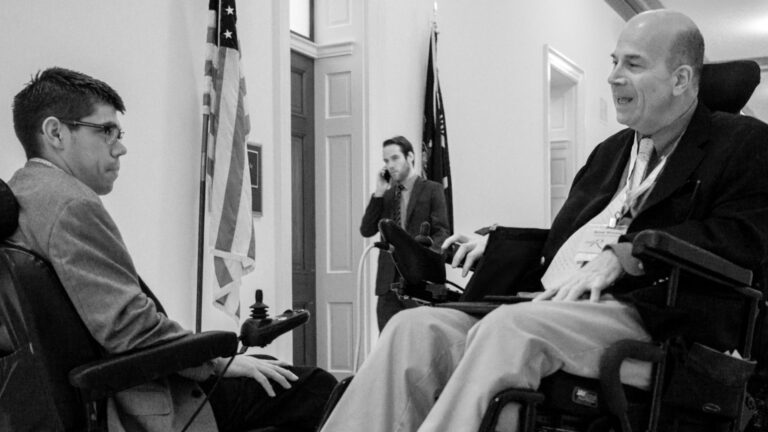
Kent’s Advocacy Story
There are thousands of advocacy stories I could tell, but one that really was most impactful on my life came very early in my career from my boss. I was maybe 20 years old and had completed an internship in Washington working for my local congressman. He had then hired me part time back in his district while I was going to college at the same time. I had been told that part of my job was essentially to keep him on time and on schedule.
What I Wish I Knew in Early Diagnosis
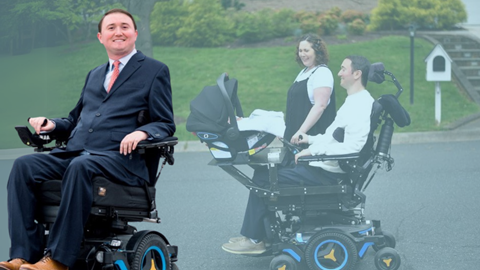
Josh’s Perspective
During the Summer of 2004, my life was flipped upside down when a wave slammed me headfirst against the ocean floor. That day I shattered my neck and became a C4-5 Quadriplegic paralyzed below my shoulders and a power wheelchair user. If I could go back in time, I would tell my 18-year-old self as I lay in the critical unit that life can move forward in beautiful ways if you embrace the superpower of community and choice.
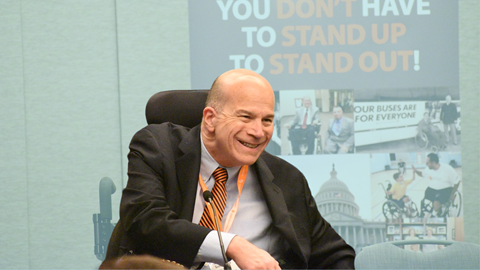
Kent’s Perspective
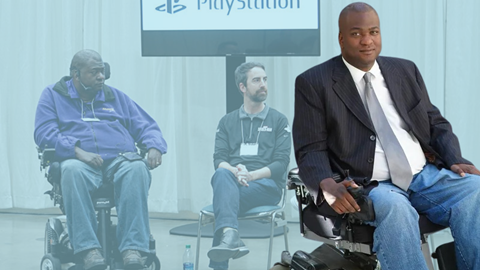
Unlike many guys, my midlife crisis did not involve a red corvette, but at age 48, I did opt for a midnight blue power wheelchair, complete with a tilt function to help me breathe easier. You see a fall in my basement injured my C-3, C-4 vertebra. At least my spinal cord was not severed only bruised. But because it took 12 hours for friends and coworkers and EMTs to find me, my incomplete cord injury meant I was only going to recover so much function.
Paul’s Perspective
To my younger self I would say; I know right now you’re probably feeling like your world has been turned upside down. It’s overwhelming, terrifying, and you may feel like there’s no light at the end of the tunnel. But trust me, there is. You will find a way to not just survive, but thrive. It won’t be easy, and there will be plenty of challenges, but you’re stronger than you know.
Tae’s Perspective
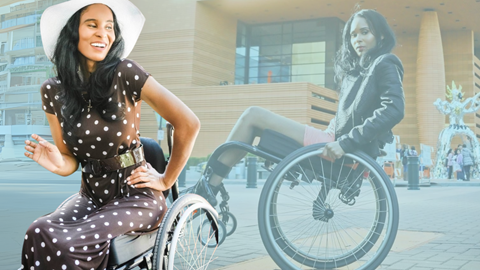
For me, it’s the importance of patience with oneself. Healing, adapting, and learning new ways of navigating life takes time. It’s easy to become frustrated or discouraged, but understanding true strength comes from giving yourself grace. Know that it’s okay to move at your own pace and seek help when needed it’s okay to redefine success on your own terms.