
ProTip Category: Health
How to Prepare for Your Next Doctor’s Visit

Doctor’s offices are required by the ADA to make reasonable accommodations for anyone with a disability. If you need assistance with completing paperwork before your doctor’s appointment request someone from the office to scribe for you. Give the personnel at the office advanced notice that you require assistance. Call ahead to see if the doctor’s office…
Preventing Pressure Sores with Spina Bifida
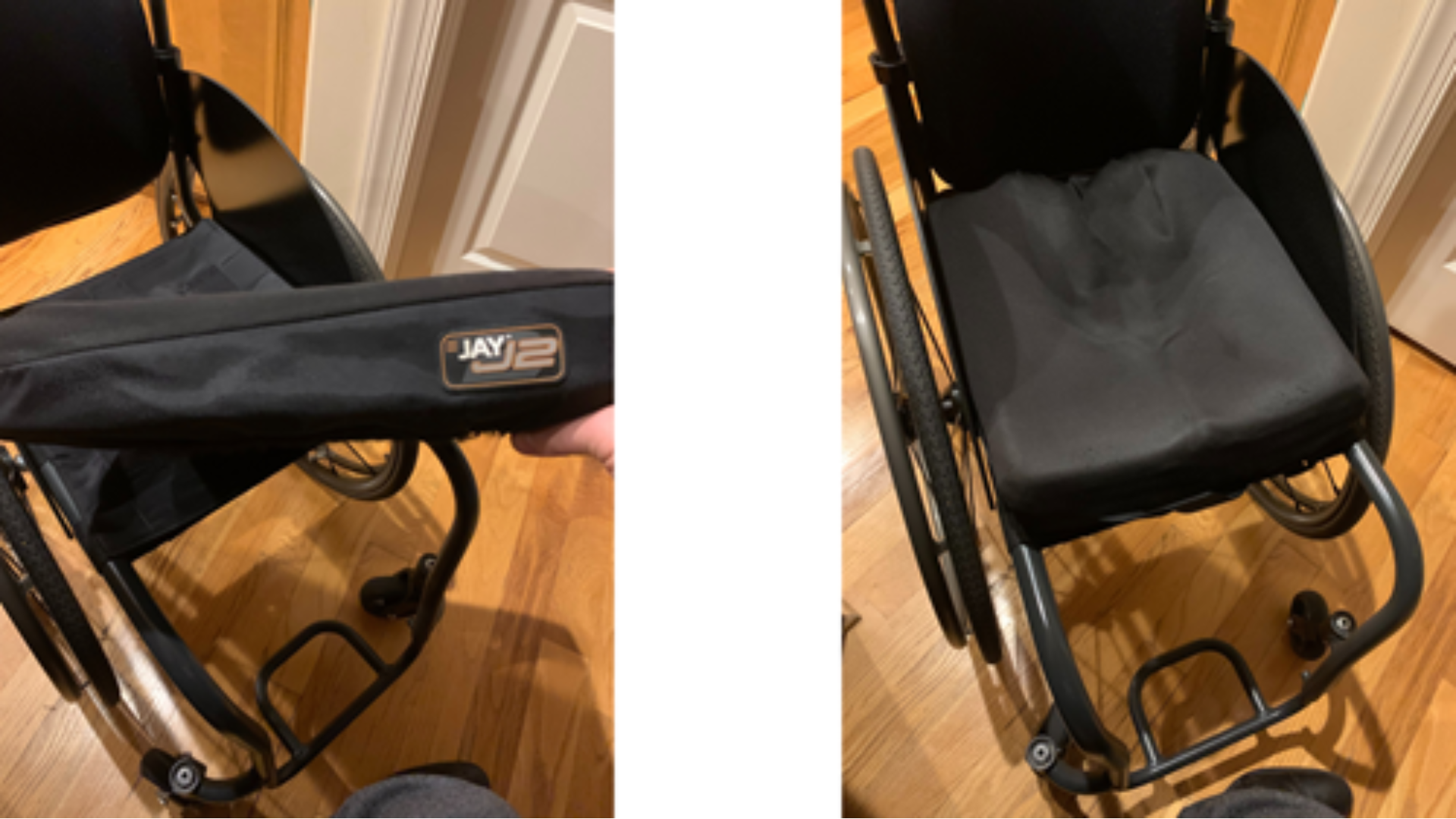
1. Be vigilant about skin breakdown issues or pressure sores. Pressure sores can develop quickly and can be extremely timely to heal. Most of us with Spina Bifida are full-time wheelchair users. Due to this, we tend to develop skin breakdown issues and pressure sores far more often than the general public. 2. Spend time…
Importance of Sleep to People with Disabilities

A good night’s rest is vital to the health of all people, especially those with disabilities. People with disabilities and other health conditions need more sleep than the average person. Besides, your physical health, mental health, ability to operate machinery, and problem solve are all enhanced when you are well-rested. People with disabilities who have…
Nutrition Tips for Wheelchair Users

Watch your calorie intake: Your need for calories will vary depending on your BMI (Body Mass Index) and the type of disability you have. Remember the most people with a mobility impairment burn fewer calories per day compared to a non-disabled person that is of the same age, height, and weight. Consume more calcium: People who…