
Category: Pediatric Complex Rehab Technology
NuDigest: The Importance of Sleep and Safety in Complex Rehabilitation
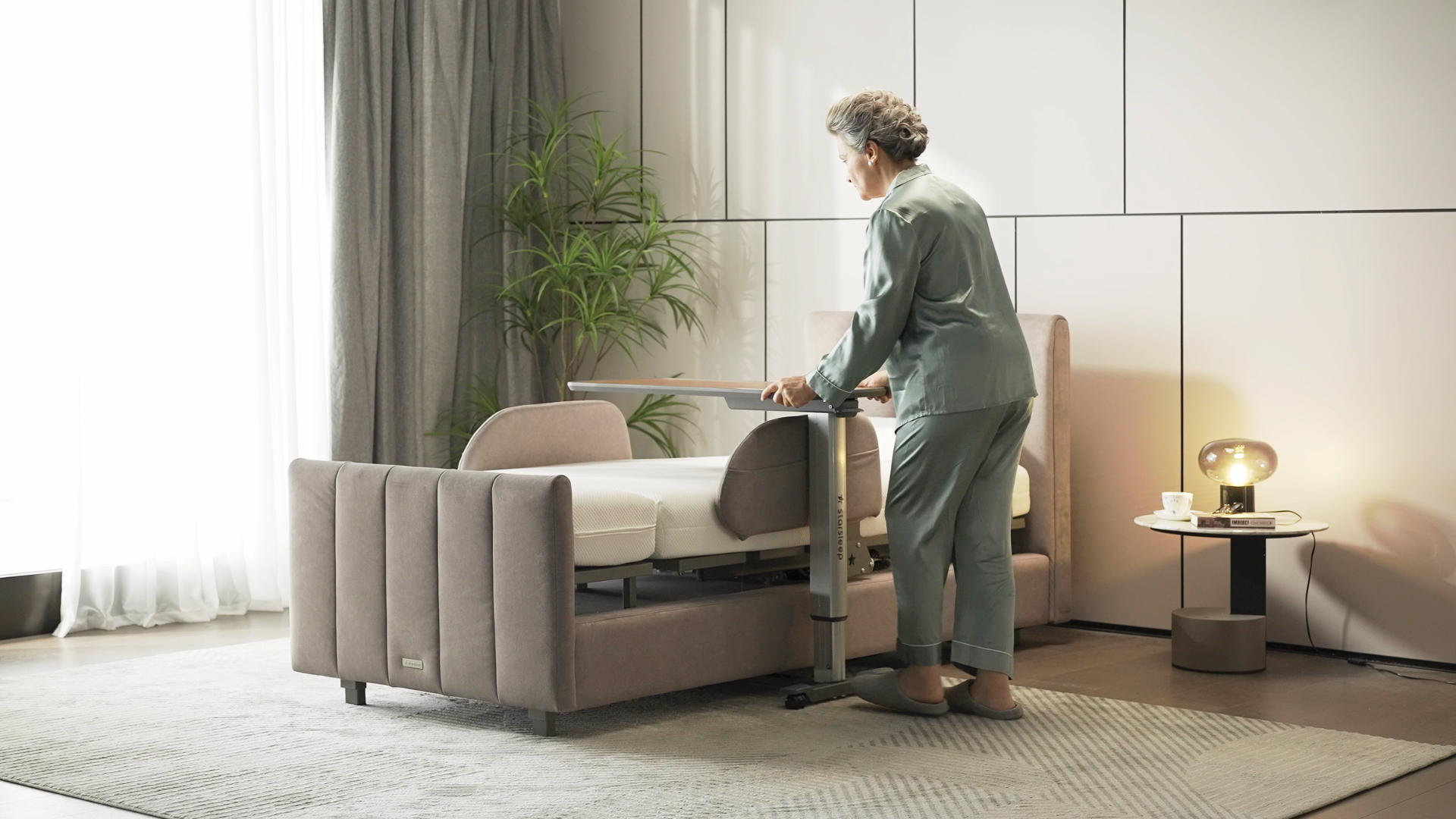
Everyone has to sleep – sleep is a natural state of rest where the body is inactive, the mind unconscious, and the eyes are closed. However, for many people living with a wide variety of medical conditions and diagnoses, restful sleep can be elusive, leading to compounding health issues, and challenges for their caregivers. Nighttime…
NuDigest: Powered Mobility and Play
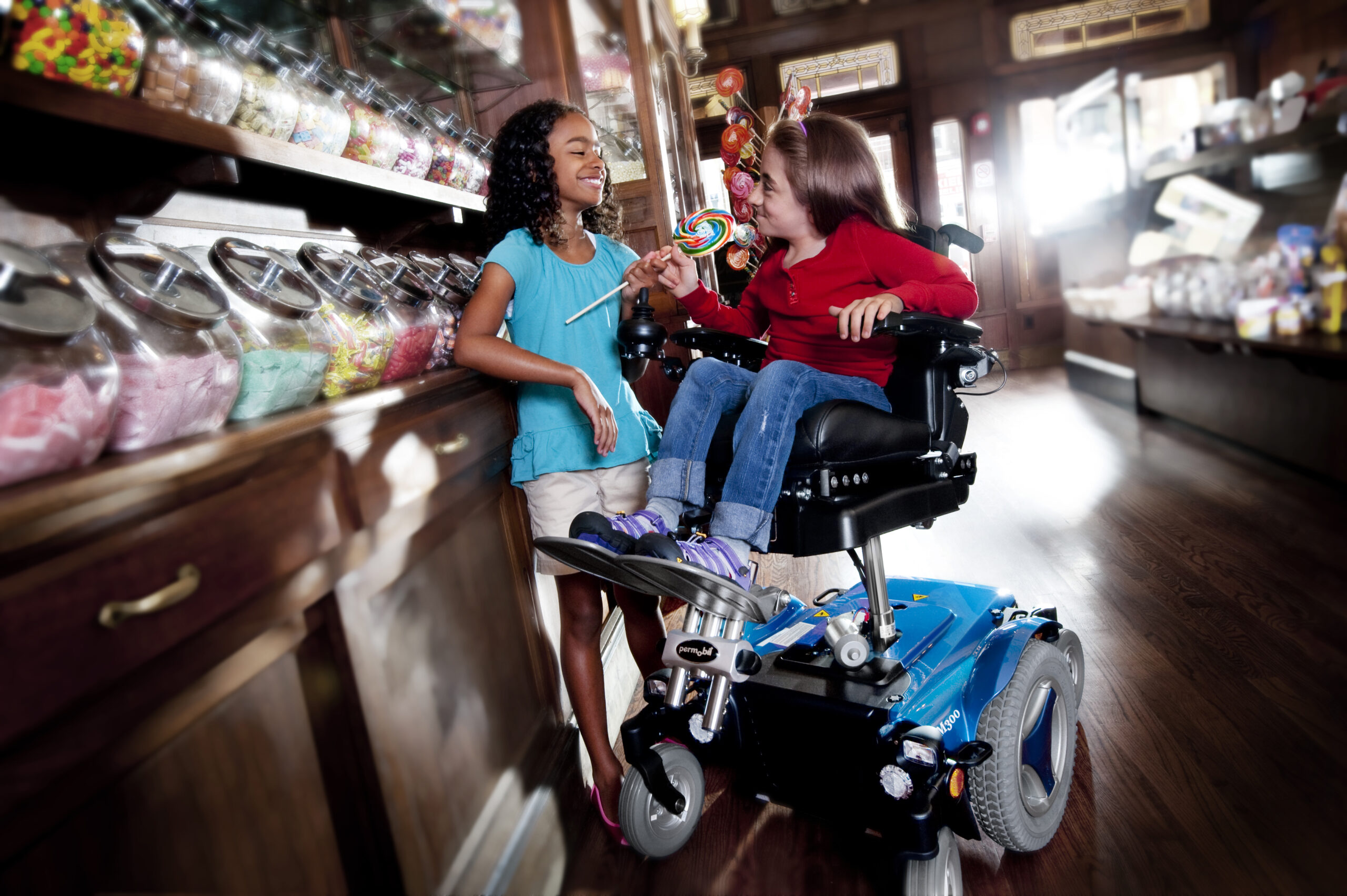
Play is an occupation in which every child has a fundamental right to engage. Hide-and-seek, tag, building forts and creating alternate universes with their imagination – play occupies the daily lives of children. The ability to explore the environment and engage in play is critical for the development of children. Yet, children with mobility impairments…
NuDigest: Posture and Visual Development
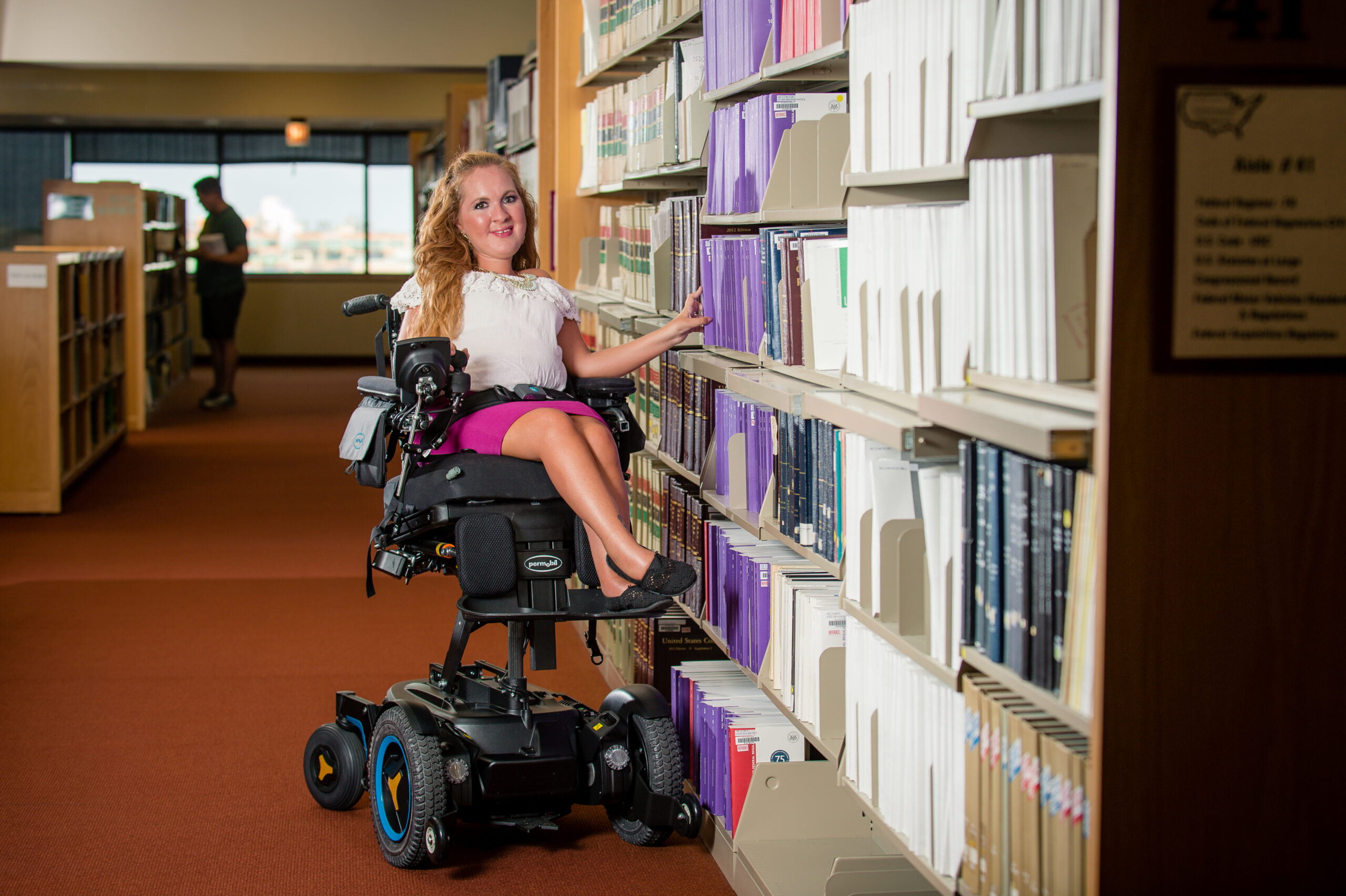
Posture in children who require some degree of external support to facilitate a midline position can affect many aspects of physical and perceptual motor development, including visual development. For developing children, normal stimulation is required for proper visual development to occur. Without regular stimulation, visual dysfunction such as strabismus (misalignment of the eyes) can occur…
NuDigest: Addressing Parent’s Perception of Powered Mobility
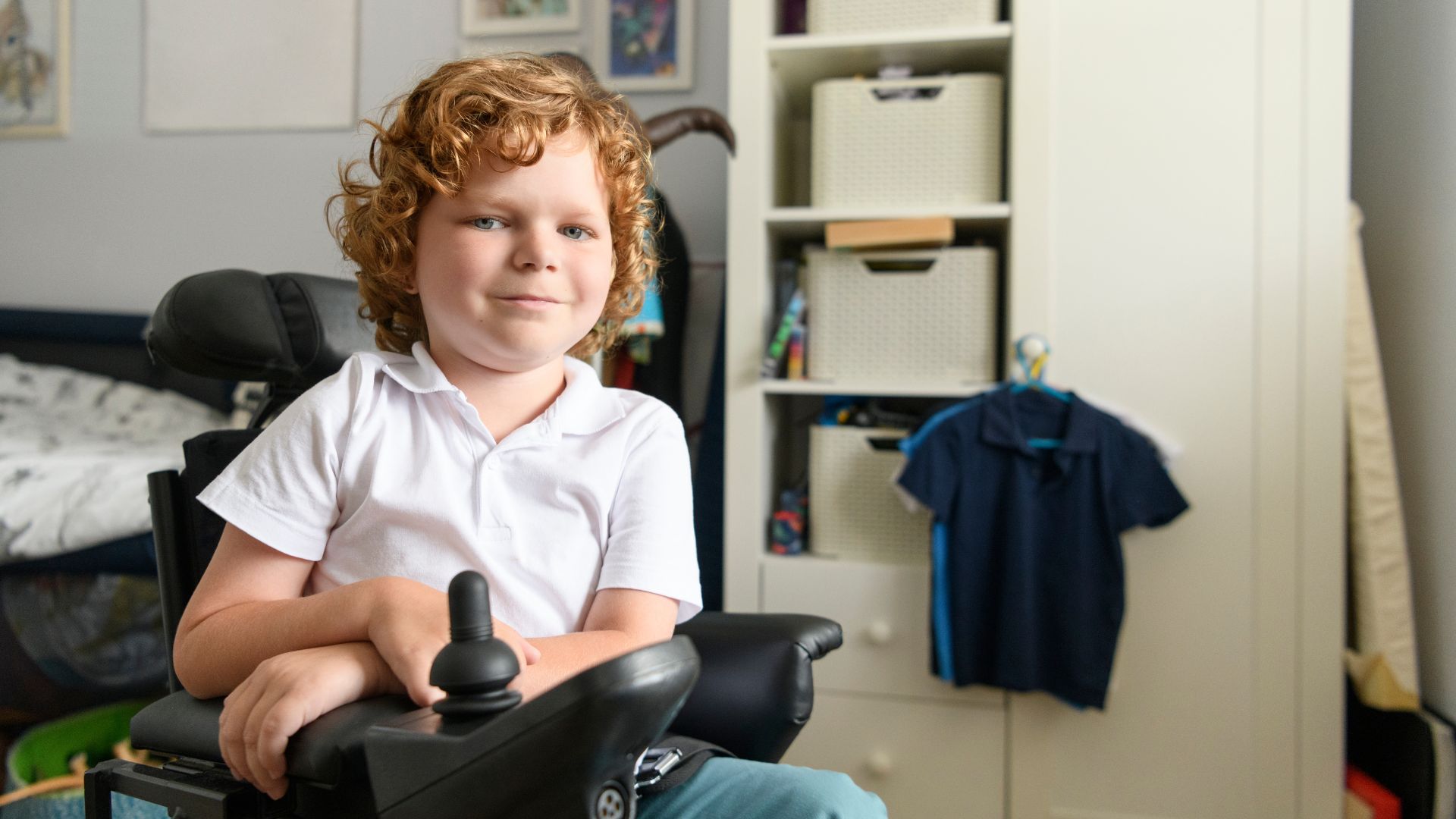
During my experience with Numotion, I have been able to observe conversations between the Assistive Technology Professional (ATPs), therapists, clients and parents/ caregivers. I feel like the most difficult conversations are sometimes the most rewarding. Bringing up the topic of powered mobility (PM) to parents can no doubt be an uncomfortable conversation, but it is…
NuDigest: Training Methods for Pediatric Powered Mobility
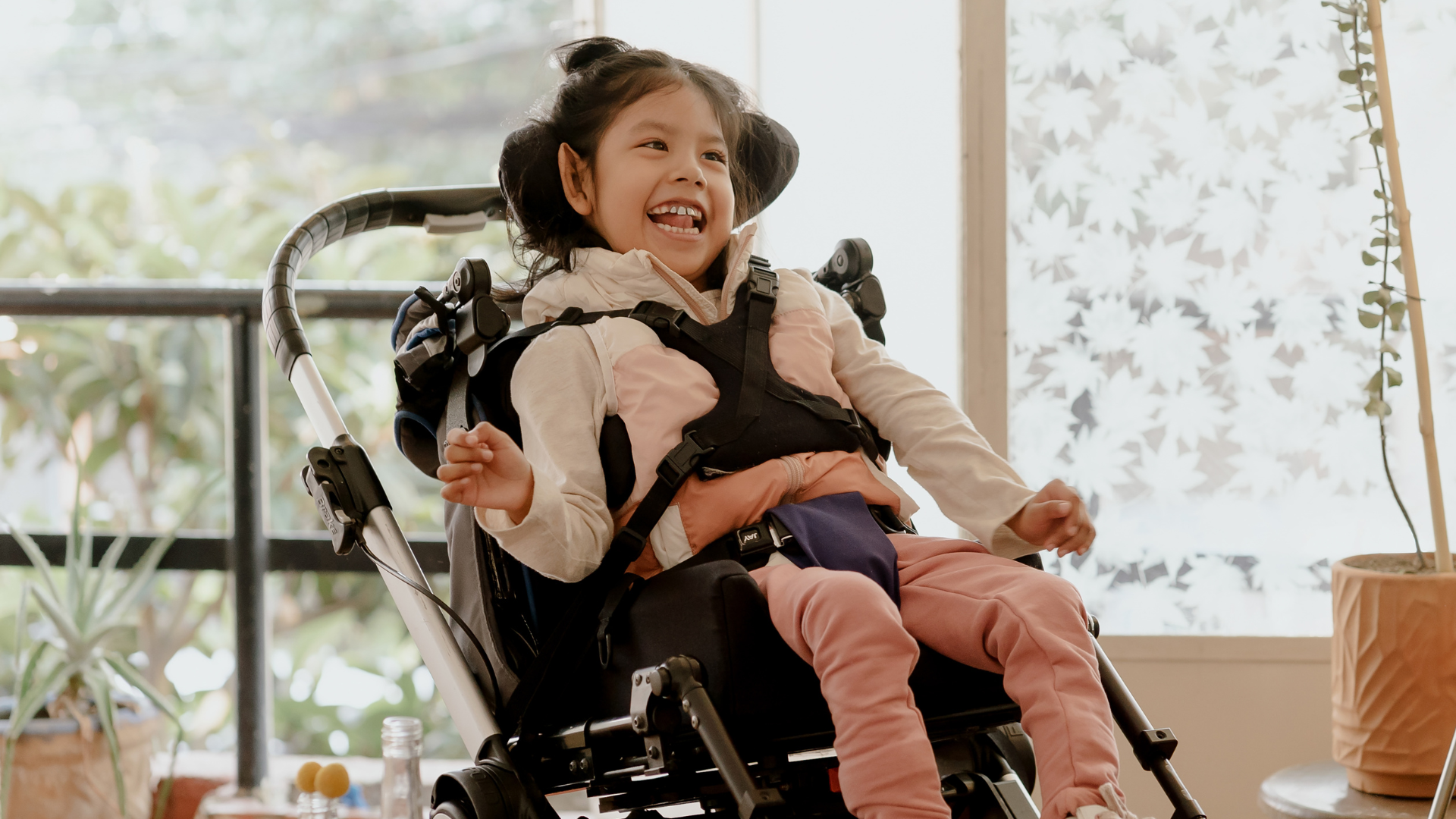
Powered mobility for children is a well-researched and accepted method of providing self-initiated mobility. Powered mobility (PM) devices can facilitate independent exploration of the environment and provide a functional means of locomotion for children with mobility limitations. There is great evidence to support that by exploring their environment, positive changes can occur regarding a child’s…
NuDigest: Complex Rehabilitation Strollers – The Right Device for a Young Child?
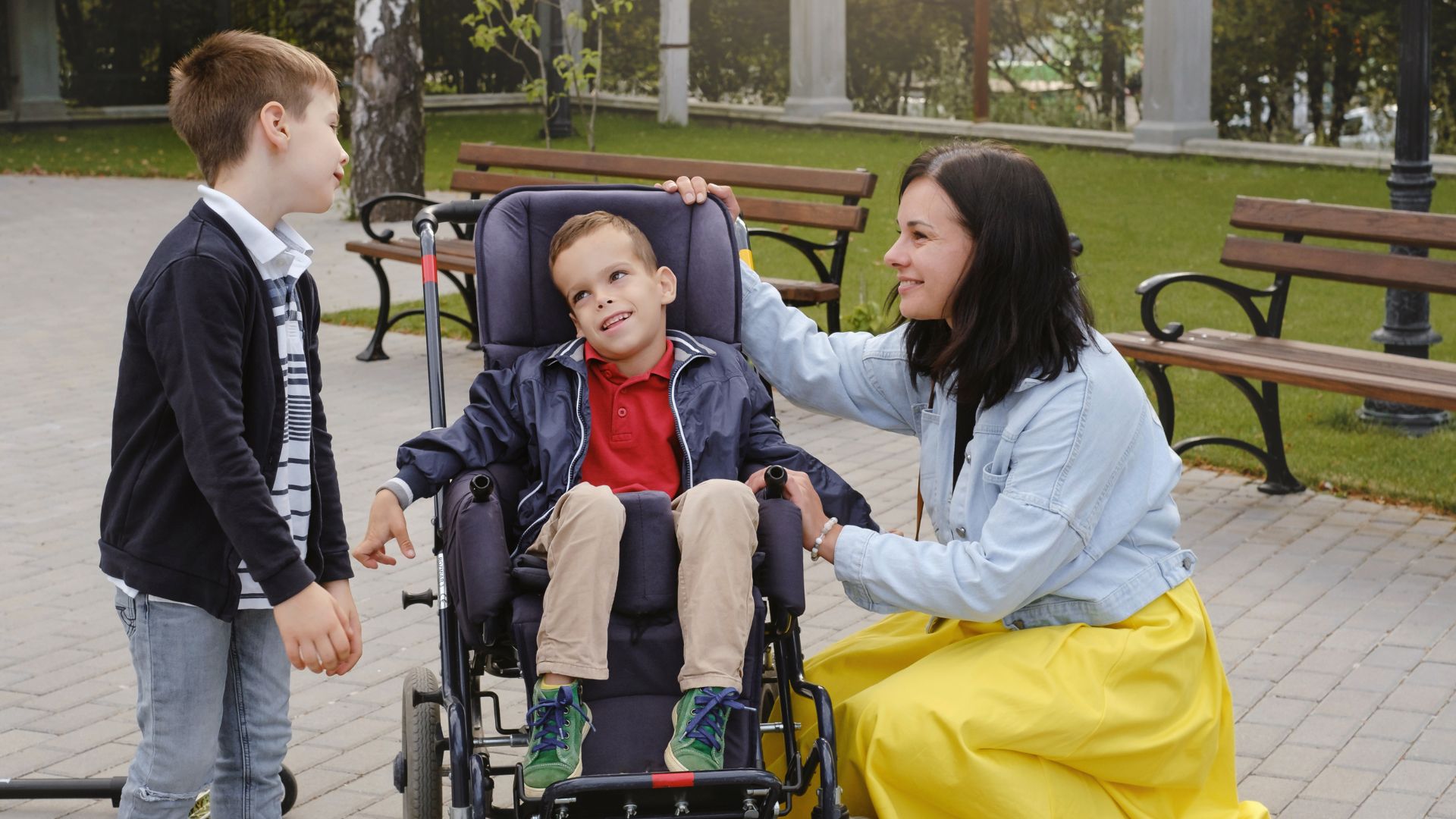
Selecting the right complex rehabilitation technology device for a young child is not an easy decision. There are many options available, and several factors for the parents and clinical team to consider. Complex rehabilitation strollers play an important role in supporting and providing dependent mobility for infants and very young children. They combine the look…
NuDigest: Early Mobility – Moving to Learn
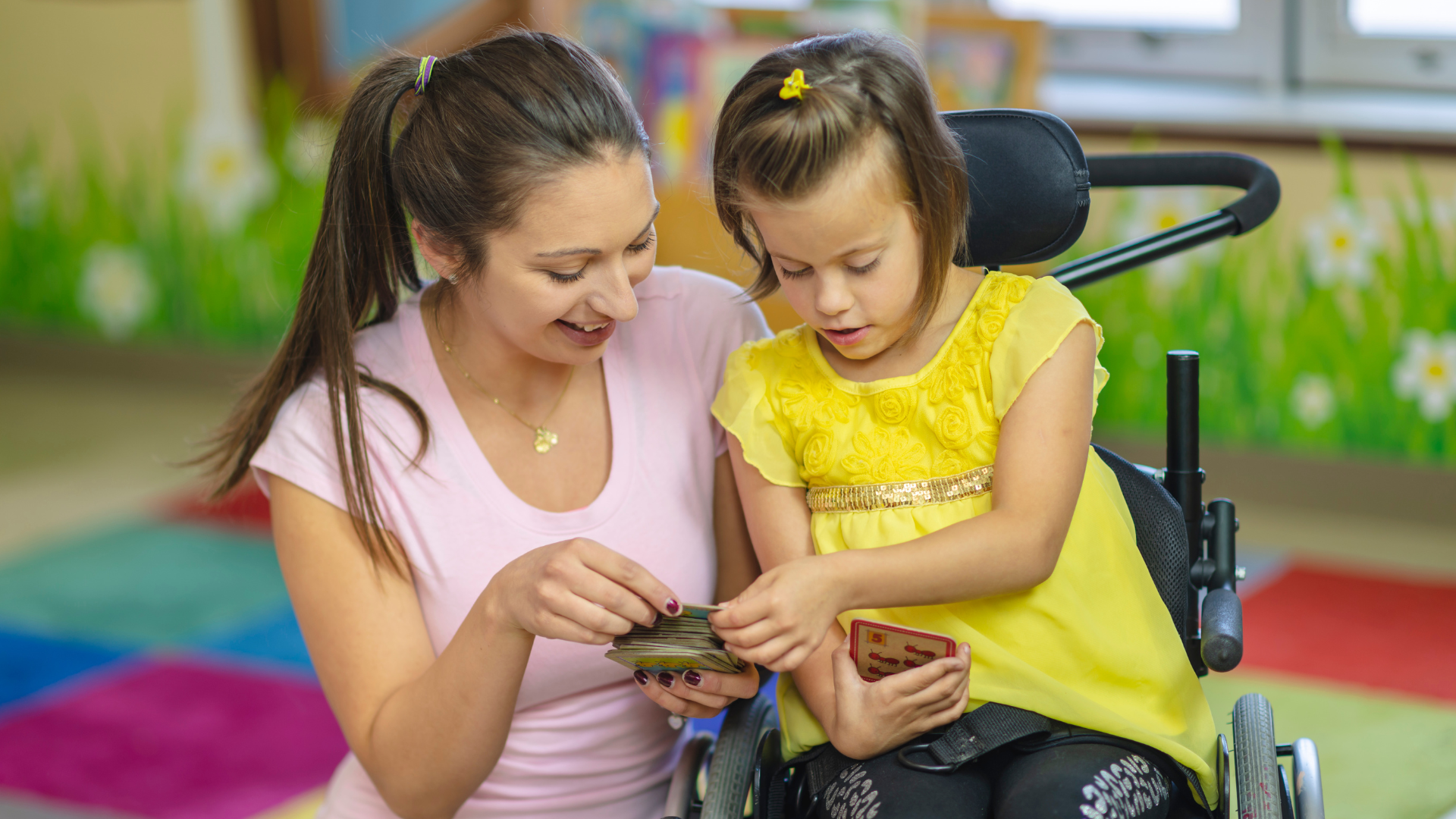
Mobility. What does that mean? Getting from point A to point B to perform a task of some type. Mobility is not exercise. Adults are very goal-oriented in their mobility. For infants and children, self-initiated mobility is Mobility. What does that mean? Getting from point A to point B to perform a task of some…